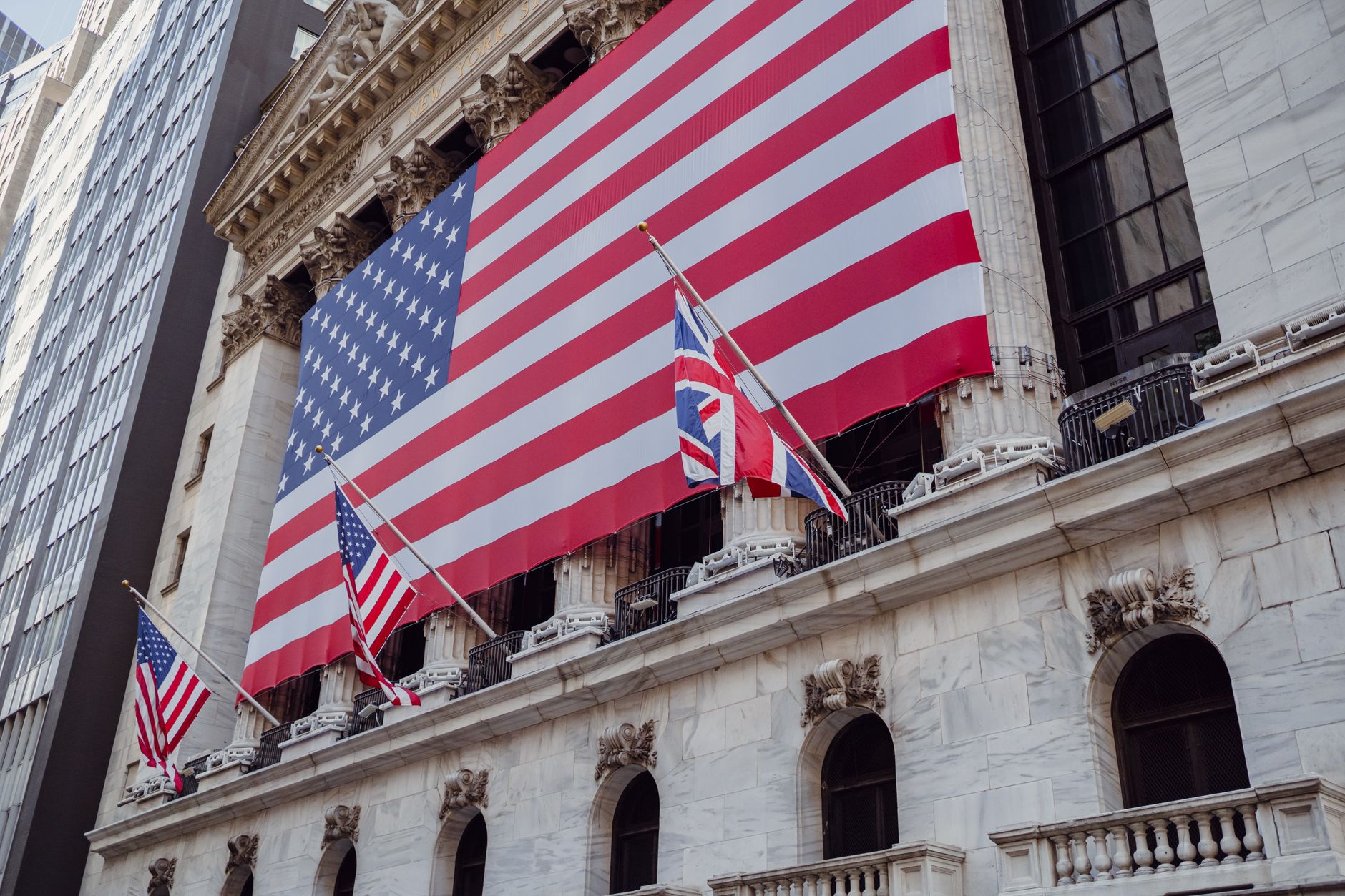
Surviving Wall Street's Worry: Are We on the Brink of a Hidden Economic Recession?: The Essential Rules
As concerns mount about a potential hidden economic recession, it’s crucial to remain proactive rather than reactive. Understanding economic indicators and preparing for market fluctuations can help safeguard your investments and financial stability.
Emergency Checklist:
- Assess your financial portfolio for risk exposure.
- Build an emergency fund covering at least 6 months of expenses.
- Diversify your investments across different asset classes.
- Stay informed about economic indicators and market trends.
- Consult a financial advisor for personalized strategies.
Rule #1: Stay Informed, Stay Ahead
Knowledge is power. Monitor key economic indicators such as GDP growth rates, unemployment figures, and consumer confidence indexes. For example, a GDP contraction of 2% over two consecutive quarters could signal a recession. If unemployment rises above 6%, consider reevaluating your investments.
Rule #2: Diversification is Your Shield
Don’t put all your eggs in one basket. Aim for a diversified portfolio that includes stocks, bonds, and alternative investments. For instance, during the 2008 recession, diversified portfolios that included bonds experienced significantly less volatility than those heavily weighted in stocks.
Rule #3: Liquid Assets Are Key
Maintain a portion of your investments in liquid assets. Cash or cash-equivalents can be quickly accessed in times of economic downturn. Aim for at least 20% of your portfolio in liquid assets to provide flexibility when market conditions worsen.
The Psychology Trap: What Makes Most People Fail
Confirmation bias can lead investors to ignore negative indicators while overemphasizing positive ones. Combat this by regularly reviewing your investment rationales and considering opposing viewpoints. Seek out data-driven information rather than anecdotal evidence to make informed decisions.
Your Action Plan by Scenario
If the market shows signs of contraction: Rebalance your portfolio by shifting towards defensive stocks or bonds.
If unemployment rates spike: Consider increasing your cash reserves and halting major investments until market conditions stabilize.
If consumer confidence plummets: Focus on essential goods and services sectors, which tend to perform better in downturns.
Frequently Asked Questions
Q: How much can you lose in Wall Street's Worry: Are We on the Brink of a Hidden Economic Recession? A: In a worst-case scenario, investors could see a market decline of 30-50%, similar to past recessions, depending on the severity and duration of the economic downturn.
Q: What's the #1 mistake people make? A: The biggest mistake is failing to diversify, leading to significant losses when the market turns.
Q: How long should you wait before acting? A: Ideally, reassess and act within 1-2 weeks of significant market changes to avoid potential losses.
Q: Is it too late to get into Wall Street's Worry: Are We on the Brink of a Hidden Economic Recession? A: No, it’s never too late. However, approach investments cautiously and focus on defensive strategies.
The Bottom Line
Being proactive rather than reactive is key to navigating potential economic downturns. Stay informed, diversify, and maintain liquidity to better weather the storm ahead.