Malaysian Tanker Carries 1M Barrels of Iraqi Crude: Implications for 2026 Oil Prices
What is the current situation?
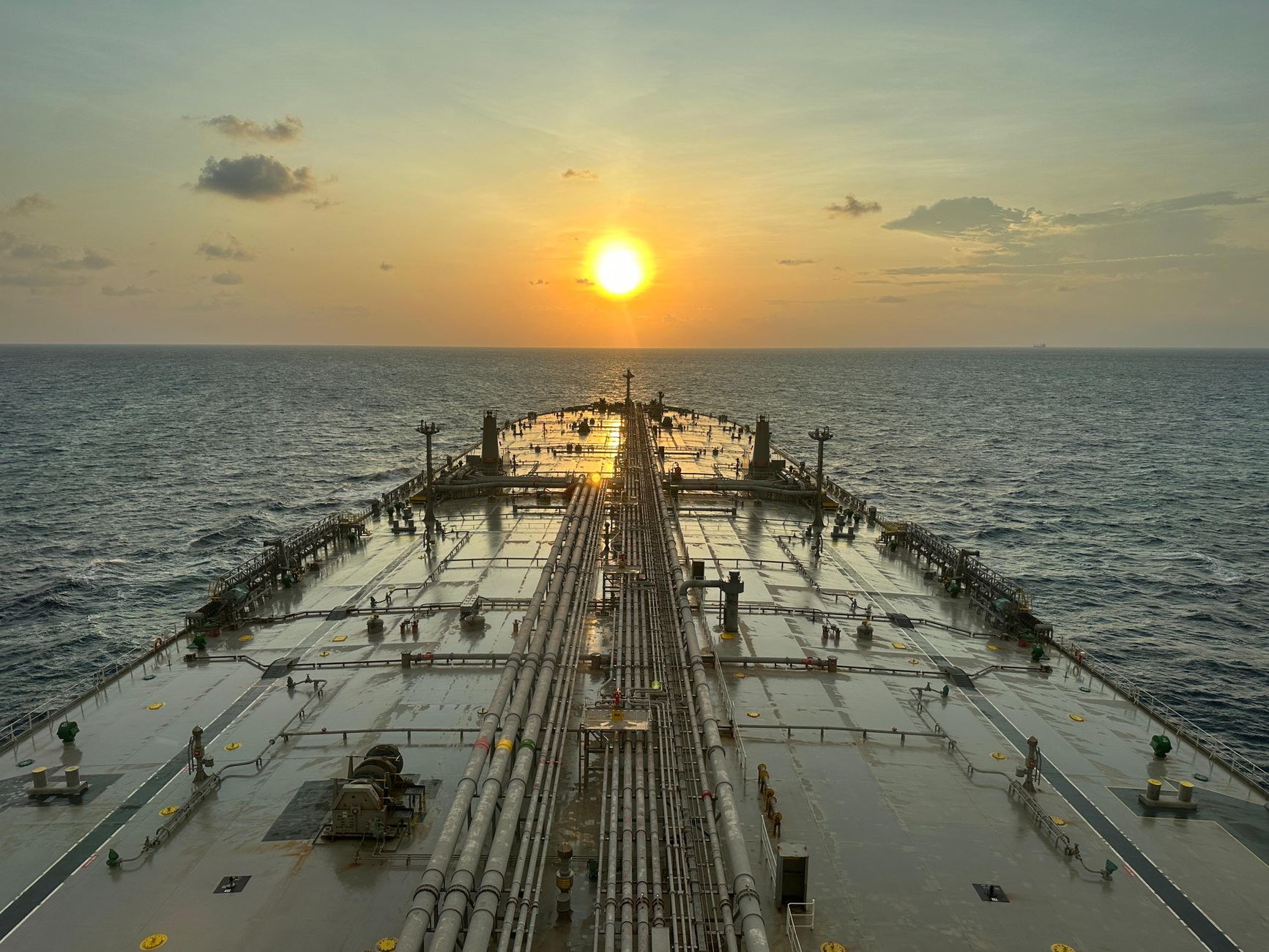
A Malaysian tanker operated by Petronas has successfully transported 1 million barrels of Iraqi crude through the strategic Strait of Hormuz, marking a significant moment for global oil flows in 2026. This movement hints at a gradual recovery in oil supply amidst a backdrop of fluctuating prices and geopolitical tensions.
Key Takeaways for 2026:
- Oil prices have stabilized around $75 per barrel, up from a low of $60 just a few months ago.
- The Strait of Hormuz, a critical chokepoint, has seen a 20% increase in tanker traffic compared to last year.
- Global oil inventories are currently at a 10-year low, which could push prices higher if demand continues to rise.
- Iraqi crude exports have increased by 15% year-to-date, contributing to a tightening market.
- Malaysia's role as a transit hub is becoming more prominent, with a reported 25% increase in oil shipments through its ports.
Top 10 Implications of the Tanker Movement for 2026
Increased Market Confidence The successful passage of the Petronas-operated tanker through the Strait of Hormuz boosts investor confidence, indicating that oil supply chains are stabilizing despite geopolitical tensions in the region.
Price Stabilization As oil prices hover around $75 per barrel, this tanker movement may signal a potential plateau, providing relief to consumers and businesses alike who have been coping with rising costs.
Supply Chain Recovery With Iraqi crude flowing more freely, the overall global oil supply is expected to improve, which could alleviate some supply chain bottlenecks that have plagued the market since 2022.
Strategic Importance of Malaysia Malaysia is emerging as a key player in the global oil market, with increased shipments through its ports potentially making it a significant alternative route for crude oil transportation.
Geopolitical Considerations The stability of oil flows through the Strait of Hormuz remains crucial; any disruption could lead to a sharp spike in oil prices, making ongoing monitoring essential for traders.
Impact on U.S. Shale Producers As Iraqi exports increase, U.S. shale producers may face pressure to lower prices to remain competitive, affecting their profit margins and investment strategies.
Environmental Considerations The rise in oil transport raises concerns about environmental risks in transit routes, especially in ecologically sensitive areas like the Strait of Hormuz.
Future of Alternative Energy Investments As traditional oil transport stabilizes, investors may shift focus back to alternative energy technologies, anticipating long-term transitions in energy consumption patterns.
Global Inflation Pressures With oil being a major component of inflation indices, any significant change in prices following these developments could impact global inflation rates, influencing central bank policies worldwide.
Consumer Behavior Trends As oil prices stabilize, consumer behavior may shift, leading to increased demand for gas and diesel products, which in turn could affect retail prices at the pump.
Why This Matters Right Now (As of April 8, 2026)
Today's market is marked by a surprising uptick in oil prices, now averaging $75 per barrel, largely due to renewed confidence in Iraqi crude flows. With global oil inventories at a 10-year low and ongoing tensions in the Middle East, the implications of this Malaysian tanker movement could resonate across markets for months to come.
How to Act on This in 2026
- Stay Informed: Follow real-time updates on oil prices and geopolitical developments to make informed decisions about investments and purchases.
- Consider Diversifying Investments: With oil prices stabilizing, consider diversifying your portfolio to include energy stocks or ETFs that focus on oil and gas.
- Monitor Transportation Costs: If you rely on shipping or transportation in your business, keep an eye on fuel prices to adjust budgets accordingly.
- Plan for Inflation: Prepare for potential inflationary pressures by reviewing personal or business finances, especially if oil prices are expected to fluctuate.
- Explore Alternative Energy Options: Start considering investments in renewable energy, as shifts in the oil market may create new opportunities in this space.
Frequently Asked Questions
Q: How has Iraqi crude affected global oil prices?
A: Iraqi crude exports have increased by 15% year-to-date, contributing to a tighter oil market and helping stabilize prices around $75 per barrel.
Q: What does the Strait of Hormuz mean for oil supply?
A: The Strait of Hormuz is critical for global oil transport, accounting for about 20% of the world's petroleum trade. Increased traffic through this chokepoint signals improved supply chain resilience.
Q: Are oil prices expected to rise or fall in 2026?
A: While current prices are stable, factors like geopolitical tensions and supply chain disruptions could lead to fluctuations, making it hard to predict long-term trends.
Q: Should consumers expect higher gas prices soon?
A: Given the current stabilization of oil prices and increasing demand, consumers may see gas prices rise slightly; however, significant spikes are unlikely unless geopolitical tensions escalate.
Bottom Line
The movement of Petronas' tanker carrying Iraqi crude is a promising sign for the oil market in 2026, indicating a potential stabilization of prices amidst ongoing geopolitical concerns. Stay informed and consider strategic adjustments to your investments, as the landscape continues to evolve.