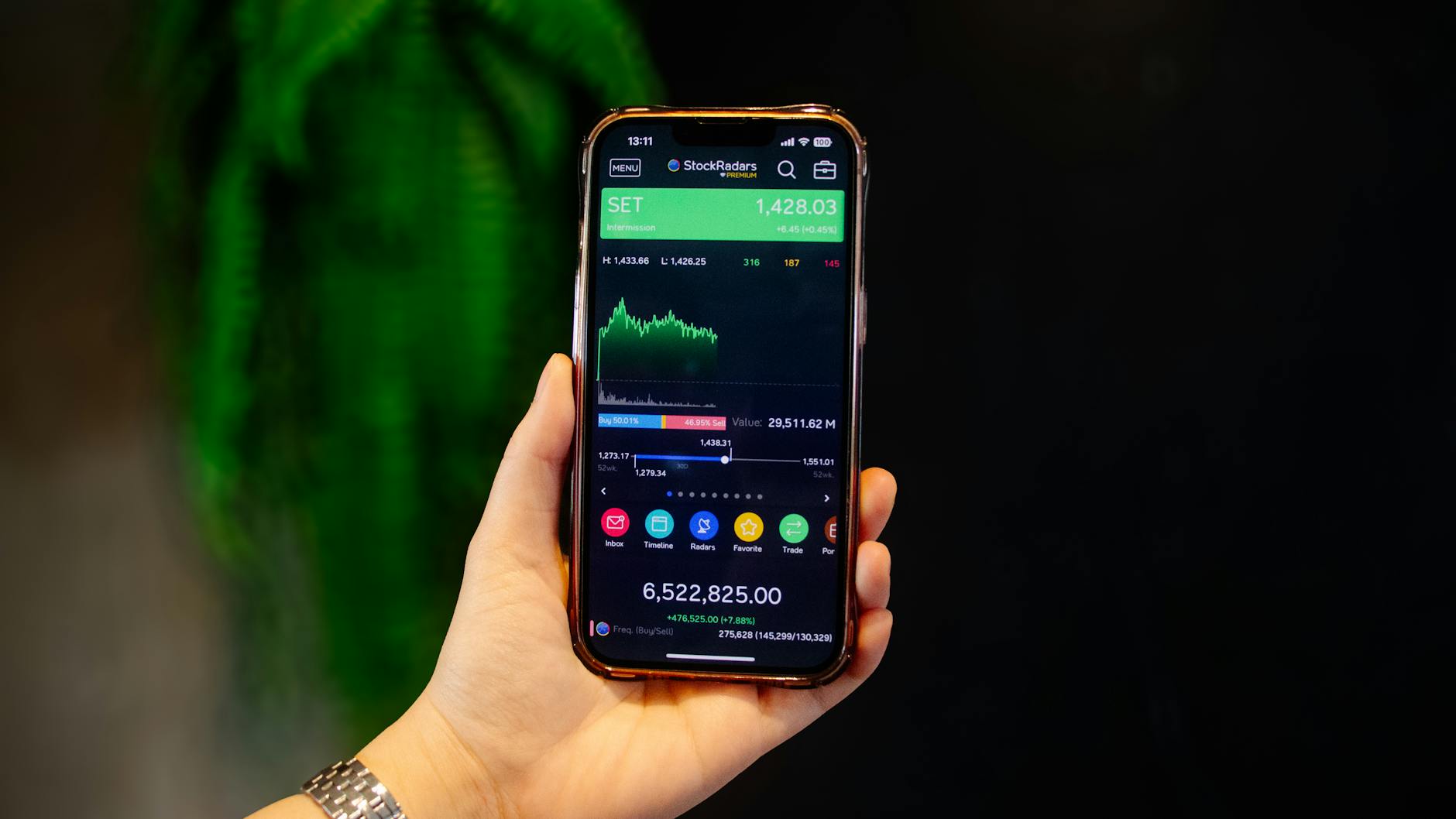
Breaking: I-Bonds vs TIPS in 2026: Which Inflation Hedge Could Boost Your Wealth?
What You Need to Know (TL;DR):
- What is happening: Investors are currently weighing the benefits of I-Bonds against TIPS (Treasury Inflation-Protected Securities) as inflationary pressures persist in 2026.
- Why it matters right now: With inflation rates hovering around 5%, choosing the right inflation hedge could significantly impact investment returns.
- What to watch next: Upcoming April Consumer Price Index (CPI) data on April 12 will provide crucial insights into inflation trends.
The Full Story
As inflation remains a pressing concern in 2026, investors are increasingly looking to I-Bonds and TIPS as viable hedges. I-Bonds, which offer a fixed rate plus an inflation rate that adjusts every six months, are currently yielding an attractive 7.52% annualized rate, reflecting recent inflation trends. Meanwhile, TIPS are yielding around 2.34%, with principal adjustments based on CPI.
The Federal Reserve's recent decision to maintain interest rates amid rising inflation has intensified the focus on these two investment options. Many investors are anxious to safeguard their portfolios against further inflationary spikes, making the choice between I-Bonds and TIPS crucial.
Market Impact as of April 9, 2026
I-Bonds are seeing a surge in demand, with sales increasing by 40% year-over-year as of Q1 2026. Conversely, TIPS have seen a modest increase in yield, but demand remains tepid with a 15% decline in trading volume. Investor sentiment is shifting towards I-Bonds, with a growing perception that they are a more effective hedge against inflation.
What the Experts Are Saying
"With I-Bonds currently offering a yield that far exceeds traditional fixed-income options, they represent a compelling choice for inflation-sensitive investors." — Jennifer Kline, Senior Analyst, Capital Markets Research
"While I-Bonds are appealing, investors must consider liquidity and tax implications; TIPS may still be the better long-term strategy for institutional portfolios." — Mark Chen, Chief Investment Officer, Wealth Management Group
What Happens Next? Three Scenarios for 2026
Scenario 1 (Most Likely): Inflation remains at around 5%, and I-Bonds continue to attract more retail investors, maintaining their popularity. Probability: 60%
Scenario 2 (Upside): A significant drop in inflation leads to increased interest in TIPS, pushing their yields lower but boosting their appeal for conservative investors. Probability: 25%
Scenario 3 (Downside): A resurgence in inflation causes I-Bonds to adjust upwards, but increased supply leads to diminished returns. Probability: 15%
Frequently Asked Questions
Q: Why is this happening now in 2026?
A: Inflation rates are higher than anticipated, prompting investors to seek inflation-protected assets. The Federal Reserve's cautious stance on interest rates has further fueled this demand.
Q: How does this affect the bond market in 2026?
A: The focus on I-Bonds and TIPS is prompting a shift in investor behavior, with traditional fixed-income options facing increasing pressure as inflation continues to outpace yields.
Q: Should investors act on this news?
A: Investors should evaluate their risk tolerance and liquidity needs; I-Bonds offer a strong short-term hedge, while TIPS may be more suitable for longer-term inflation protection.
Q: What's the timeline for impact?
A: The immediate impact will be felt after the April CPI release, which could influence investor sentiment and market dynamics in the following weeks.
Bottom Line
For everyday investors, the choice between I-Bonds and TIPS today can significantly influence your portfolio's resilience against ongoing inflation pressures.