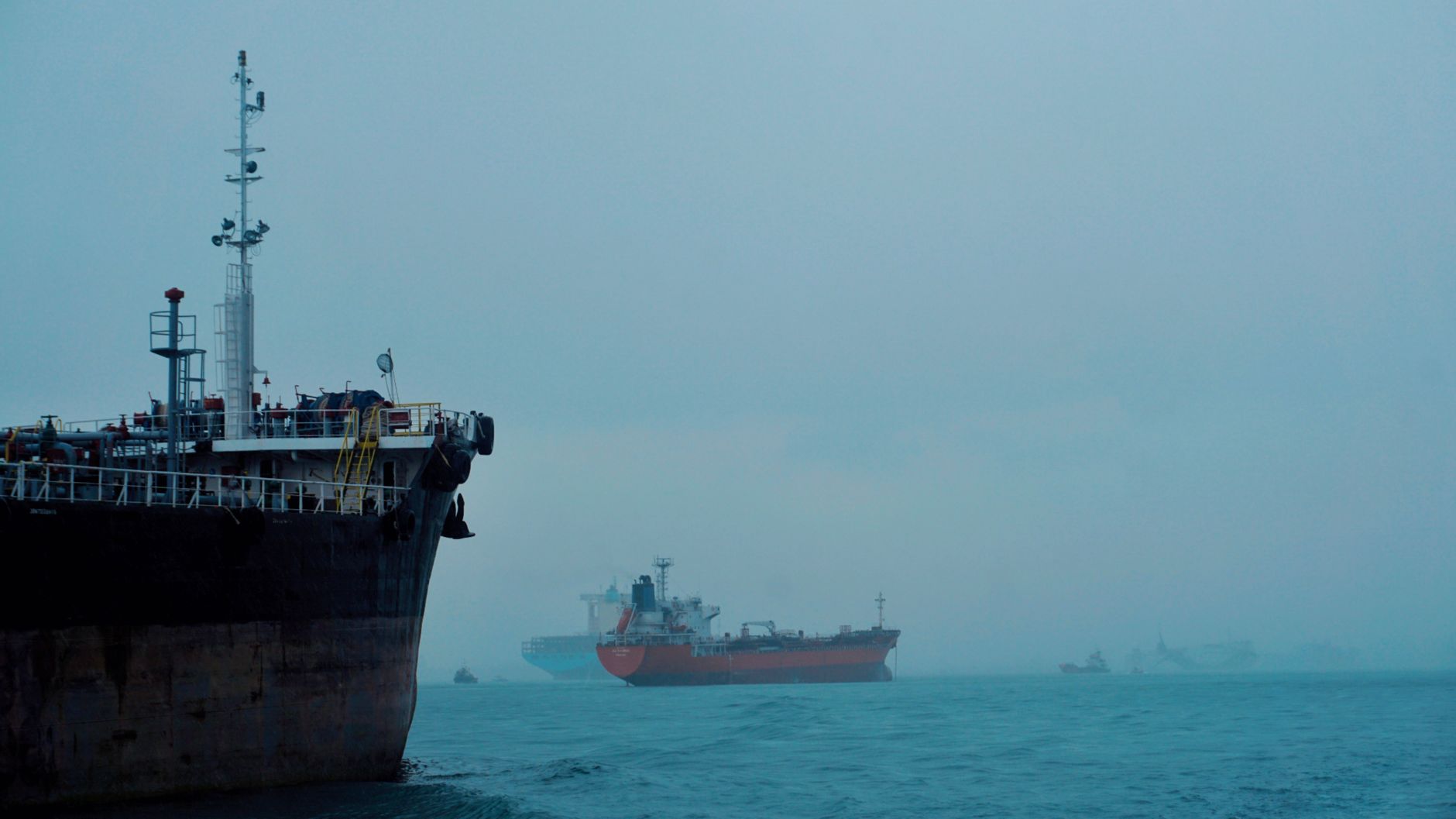
Surviving Hormuz Blockade: 2026's Energy Crisis Could Spark Global Economic Turmoil in 2026: The Rules That Actually Work
As we face the potential fallout from the Hormuz blockade, it is crucial to adopt a proactive mindset and strategic approach. The anticipated interruption of oil supply could drive prices sky-high, making it imperative for investors and businesses to navigate this crisis with caution and foresight.
2026 Emergency Checklist:
- Review and adjust your investment portfolio to reduce exposure to energy stocks.
- Create a contingency plan for energy sourcing if you're dependent on oil.
- Increase liquidity by holding cash or cash equivalents to capitalize on opportunities.
- Assess and hedge against inflation risks, potentially using commodities or inflation-linked bonds.
- Stay informed on geopolitical developments that could affect energy markets.
Rule #1: Diversify Away from Energy Dependence
In 2026, with oil prices potentially surging past $150 per barrel due to the blockade, overexposure to energy stocks may prove disastrous. Diversification into sectors such as renewable energy, technology, and consumer staples can mitigate risk.
Rule #2: Build Cash Reserves
With current interest rates hovering around 6% for savings accounts and CDs, keeping a portion of your assets in liquid cash is not only a safety net but also an opportunity to take advantage of market corrections that may arise from the crisis.
Rule #3: Utilize Inflation Hedges
Given inflation rates projected to remain around 8% in 2026, investing in commodities like gold or inflation-indexed bonds can serve as a buffer. This approach protects your purchasing power while offering potential growth in turbulent times.
The 2026 Psychology Trap
Recency bias is currently costing investors the most money. Many are overly focused on the recent downturns and volatility in the market, fearing further losses rather than recognizing the potential for recovery and diversification opportunities.
Your Action Plan by 2026 Scenario
If oil prices surge to $180 per barrel: Immediately assess your portfolio for overexposure to oil and gas stocks. Consider reallocating to more stable sectors.
If the U.S. and China enter a confrontation: Review your supply chain and energy sourcing. Diversify suppliers to mitigate risks associated with geopolitical tensions.
If inflation rises above 9%: Shift to investments that historically outperform in inflationary environments, such as real estate and commodities, while maintaining cash reserves for flexibility.
Frequently Asked Questions
Q: How much can you realistically lose in Hormuz Blockade: 2026's Energy Crisis Could Spark Global Economic Turmoil in 2026?
A: In a worst-case scenario, investors heavily invested in oil could see losses upwards of 50% if the sector collapses under geopolitical pressure.
Q: What's the #1 mistake investors are making in 2026?
A: Many investors are failing to diversify their portfolios away from energy stocks, mistakenly believing the crisis will be short-lived.
Q: Given 2026 market conditions, is it safe to start?
A: It depends on your strategy. For long-term investors, now is a critical time to reassess and potentially enter into less volatile markets while hedging risks.
Q: Is it too late to act on Hormuz Blockade: 2026's Energy Crisis Could Spark Global Economic Turmoil in 2026?
A: No, it’s not too late to act. Immediate adjustments to your portfolio and liquidity position can still safeguard your assets.
The Bottom Line for 2026
This week, take decisive steps to diversify your investments, build cash reserves, and prepare for potential market volatility. Staying informed and flexible will be your best allies in navigating the uncertainties ahead.